River Thames
Category C WaterwayRiverFind services, locks and businesses along the River Thames. Operated by EA. Length: 346 km.
Loading map...
Browse by category on the River Thames
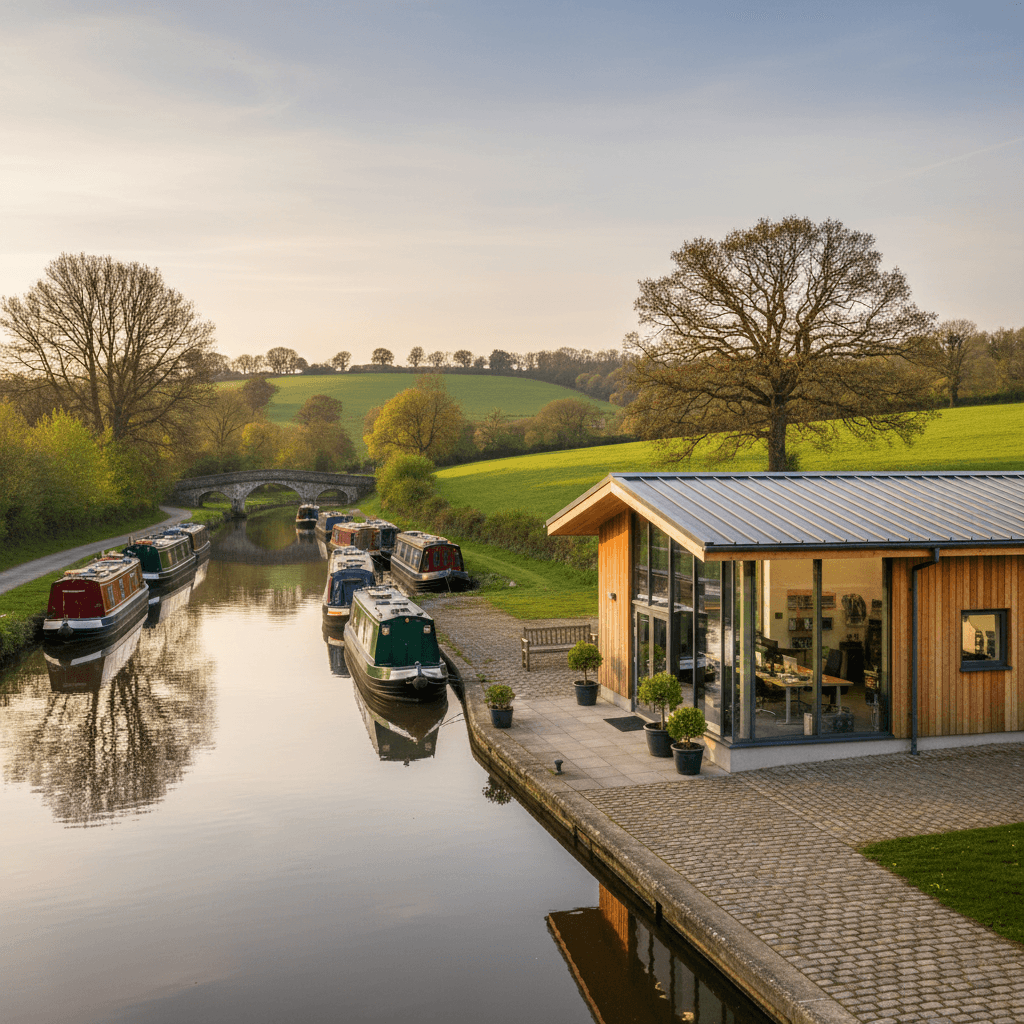
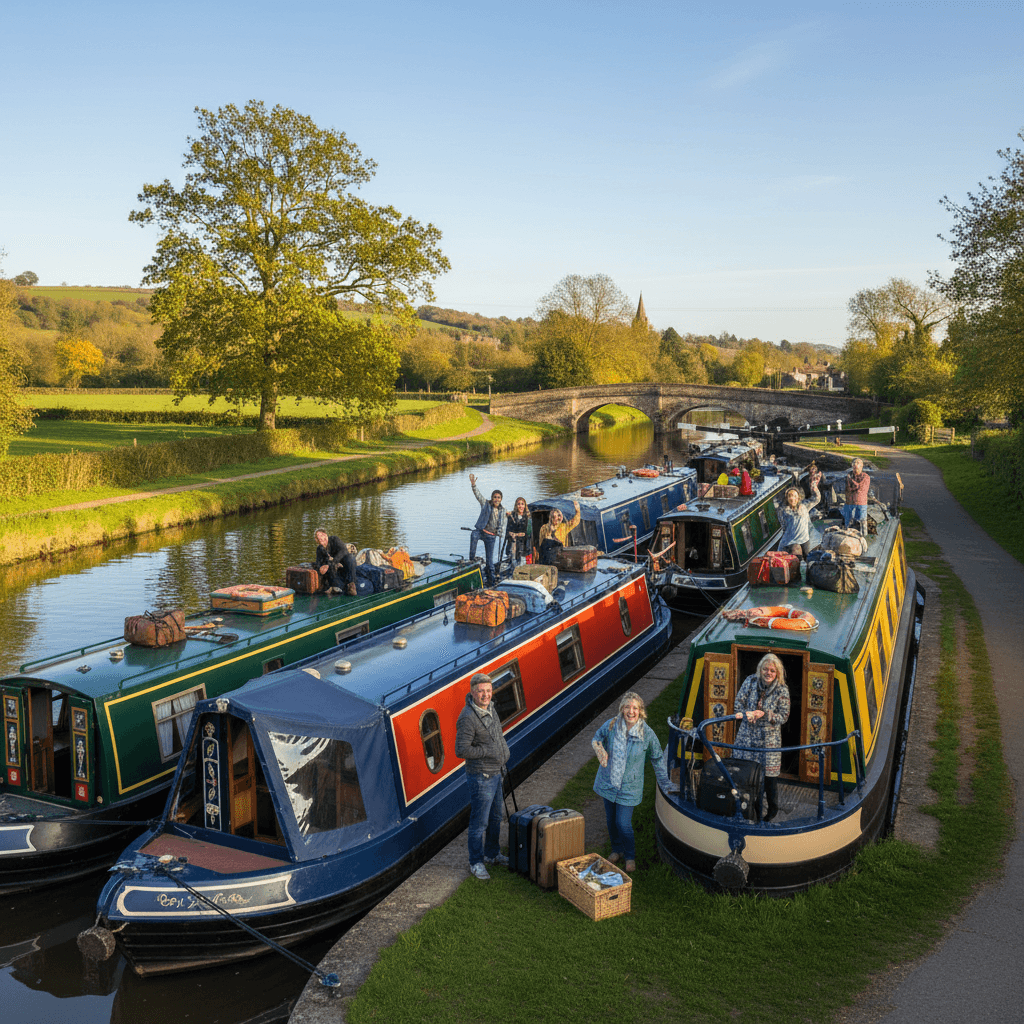
Businesses on the River Thames (4)
On the River Thames
About the River Thames
Quick Facts
- River Thames (non-tidal navigation): approximately 147 miles from Cricklade (head of navigation) to Teddington Lock (tidal limit), with 45 manned broad locks. Most cruising is the 125 navigable miles from Lechlade downstream.
- Lee Navigation: approximately 28 miles, 20 broad locks, from Hertford to Bow Locks (London)
- Connects: Thames — Lechlade → Oxford (Isis Lock junction with the Oxford Canal) → Reading (Kennet & Avon junction) → Brentford (Grand Union junction) → Teddington (tidal limit) → through London. Lee — River Stort junction (at Hertford Castle) and the lower end onto the tidal Thames at Limehouse via the Limehouse Cut and Limehouse Basin.
- Build period & engineer: Thames navigation improved progressively from medieval times; modern lock structure largely Victorian. Lee Navigation upgraded by John Smeaton in the 1760s.
- Boat dimensions: Thames — broad, max 109 ft 10 in by 14 ft 8 in beam (Buscot is the binding limit); most locks larger. Lee — broad, max 85 ft by 16 ft 2 in beam; max headroom 7 ft 2 in.
- Typical cruise time: Thames Lechlade to Teddington 5–7 days at a steady pace; Lee end-to-end 2–3 days
What's it like to cruise?
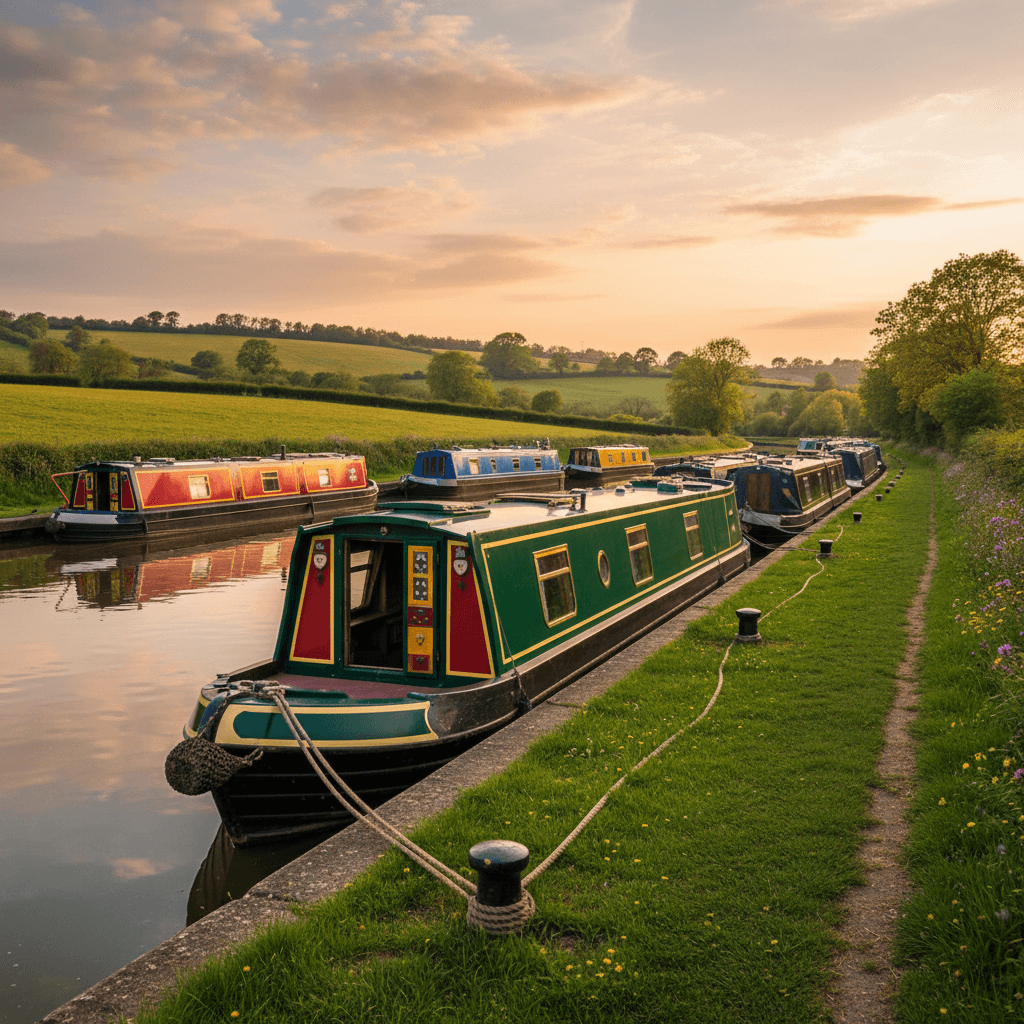
Big, broad river cruising. The Thames is one of the great cruising waterways of Europe — wide, deep, manned locks, beautiful scenery from the rural Cotswolds at Lechlade through the Chiltern foothills to the royal parks at Hampton Court and Windsor. The Lee is more urban: Hertford and Ware are pleasant rural towns, then the canal becomes increasingly metropolitan through the Lea Valley, the 2012 Olympic Park and into Limehouse. Both rivers have proper river-hazards: weir streams, fast flow after rain, and occasional flood closures.
Highlights along the route
- Thames: Henley-on-Thames — the regatta town with iconic riverside.
- Thames: Windsor and Eton — the castle, the river, and Boveney Lock.
- Thames: Goring Gap — where the river breaks through the Chilterns.
- Thames: Hampton Court Palace — moorings within view of the palace.
- Thames: Teddington Lock — gateway to the tidal Thames and central London.
- Lee: Lee Valley Park and the Olympic Park at Hackney Wick.
- Lee: Limehouse Basin — the magnificent restored basin with Thames-side moorings.
Connections & cruising rings
Thames connects the Oxford Canal at Isis Lock, the Kennet & Avon at Reading, the Grand Union at Brentford, the Wey Navigation at Weybridge and the Basingstoke (via Wey). The Lee links the Thames to the Hertford & Stort and (via Limehouse Cut) the tidal Thames in central London. Forms the Thames Ring (Thames + K&A + South Oxford + Thames again) and the London ring options.
Suitable for
Confident boaters. Thames cruising is straightforward in good weather but the river demands river-discipline (mooring head-up, upstream-of-weir awareness). Lee is gentler. Tidal Thames passage from Brentford or Limehouse to St Katharine Docks is for experienced crews only — strong tides, big shipping, advance booking.
Practicalities
- Thames licence: separate Environment Agency licence required (a CRT visitor licence does not cover the Thames).
- Lee Navigation: covered by CRT licence.
- River conditions: check EA "yellow boards" / "red boards" before setting out — strong stream means handle with care or do not boat.
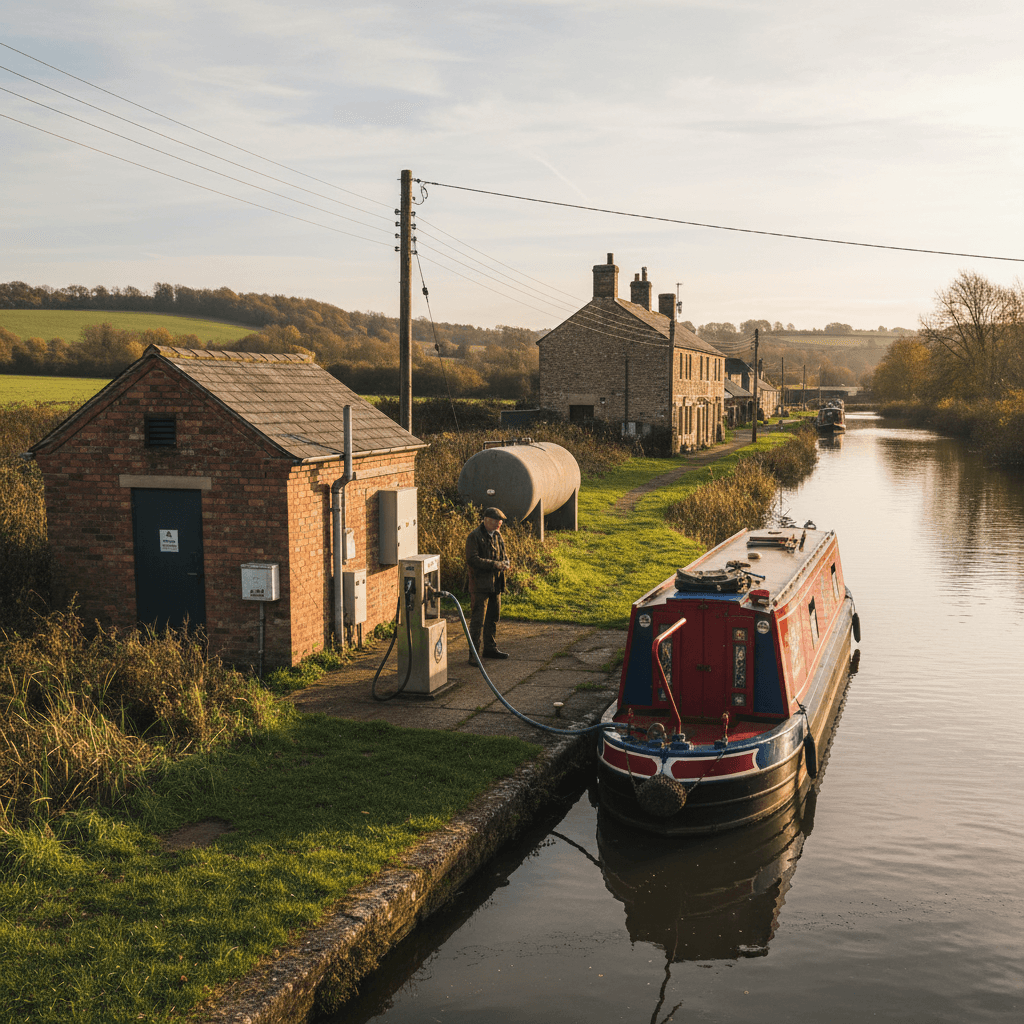
- Water and elsan: well-distributed at locks and major towns on both rivers.
- Mobile signal: very good throughout.
- Pump-out: at most marinas.
Best time to cruise
May to September. Thames is busiest in the school holidays and on regatta weekends (Henley early July). The Lee is at its best in late spring before the Lower Lee gets busy with paddleboards and rowers.
Last updated 2026-01-23